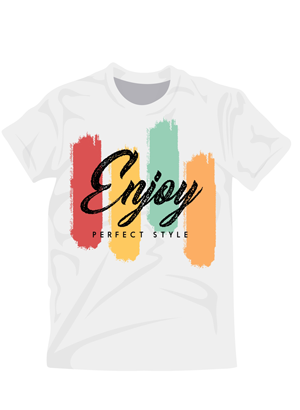

Custom t-shirts are a powerful branding tool — whether for corporate events, merchandise, promotions, or personal use. But not all t-shirts are created equal. The fabric type and printing technique you choose can make a huge difference in comfort, durability, color vibrancy, and brand perception.
At Printify Tech, we specialize in creating high-quality custom t-shirts that look professional and last longer. In this guide, we’ll explore the best fabrics and printing techniques to help you create t-shirts that leave a lasting impression.
1. Understanding T-Shirt Fabrics
The fabric you choose affects not only the look and feel but also how well the print adheres, lasts, and maintains its quality over time. Here are the most common t-shirt fabrics:
a. Cotton
- Pros: Soft, breathable, comfortable, natural fiber.
- Cons: Can shrink if not pre-shrunk, may fade over time.
- Best Use: Everyday wear, promotional t-shirts, events.
Pro Tip: Choose ring-spun cotton for a smoother, more durable finish.
b. Polyester
- Pros: Lightweight, wrinkle-resistant, durable, retains shape.
- Cons: Less breathable, may feel less natural.
- Best Use: Sports, activewear, sublimation printing.
c. Cotton-Polyester Blend
- Pros: Combines the comfort of cotton with durability of polyester.
- Cons: May not absorb moisture as well as pure cotton.
- Best Use: Versatile, for casual wear and long-lasting prints.
d. Tri-Blend (Cotton, Polyester, Rayon)
- Pros: Ultra-soft, stretchy, stylish vintage look.
- Cons: Can be more expensive, slight color variations may occur.
- Best Use: Premium fashion t-shirts and lifestyle merchandise.
🎯 Tip: For premium custom t-shirts, tri-blends are a popular choice because they are soft, trendy, and highly comfortable.
2. Choosing the Right Fabric Weight
Fabric weight affects comfort, durability, and print quality. T-shirt weight is usually measured in grams per square meter (GSM) or ounces per square yard (oz):
- Lightweight (120–140 GSM): Soft, ideal for hot weather, good for casual wear.
- Medium Weight (150–170 GSM): Standard choice for printed t-shirts, balances durability and comfort.
- Heavyweight (180–220 GSM): Durable, premium feel, suitable for outerwear or high-end merchandise.
💡 Pro Tip: Medium-weight cotton or cotton-poly blends work best for most custom prints and are highly versatile for events or corporate giveaways.
3. Common Printing Techniques for Custom T-Shirts
Once the fabric is selected, the printing technique determines how your design appears and lasts. Let’s explore the most popular methods:
a. Screen Printing
- Best For: Bulk orders, simple designs with few colors.
- Pros: Durable, vibrant colors, cost-effective for large runs.
- Cons: Not ideal for small orders or designs with many colors.
Example: A corporate team’s t-shirts with a logo in 2–3 colors.
b. Direct-to-Garment (DTG) Printing
- Best For: Small orders, detailed designs, multiple colors.
- Pros: High-resolution, soft-to-touch prints, full-color capability.
- Cons: Slightly less durable than screen printing, may not pop on dark fabrics without pretreatment.
Example: Custom event t-shirts with complex illustrations or photographs.
c. Heat Transfer Printing
- Best For: Personalized names, numbers, and small batches.
- Pros: Quick, flexible, good for small quantities.
- Cons: May crack over time, especially after multiple washes.
Example: Sports jerseys with player names and numbers.
d. Sublimation Printing
- Best For: Polyester fabrics, all-over designs.
- Pros: Vivid colors, permanent, lightweight feel.
- Cons: Only works well on polyester or light-colored synthetic fabrics.
Example: Full-print sportswear or vibrant promotional t-shirts.
e. Vinyl & Heat Press
- Best For: Simple text or logo designs, custom orders.
- Pros: Durable, clean edges, works on small quantities.
- Cons: Not ideal for complex graphics or full-color designs.
4. Matching Fabric with Printing Technique
The right combination of fabric and printing method ensures long-lasting and high-quality results:
| Fabric Type | Recommended Printing Method | Notes |
|---|---|---|
| 100% Cotton | Screen Printing, DTG, Heat Transfer | Soft touch, vibrant prints |
| Cotton-Poly Blend | Screen Printing, DTG | Balanced durability and comfort |
| Polyester | Sublimation, Heat Transfer | Retains colors well, ideal for sportswear |
| Tri-Blend | DTG, Screen Printing | Premium look, soft feel |
💡 Pro Tip: Avoid sublimation on 100% cotton — colors will not bond effectively.
5. Design Considerations for Custom T-Shirts
Beyond fabric and printing, design elements affect engagement and wearability:
- Contrast: Ensure colors pop against the fabric.
- Simplicity: Avoid overcrowding; simplicity works best for corporate and event shirts.
- Placement: Decide on chest prints, back prints, sleeves, or all-over patterns.
- Brand Alignment: Use your logo, tagline, or colors consistently.
🎯 Example: Visit our Custom T-Shirt Printing Service page to see how we incorporate design and branding seamlessly.
6. Specialty Techniques for Premium Impact
If you want your t-shirts to stand out, consider these specialty printing techniques:
- Foil Printing: Adds metallic shine, perfect for high-end merchandise.
- Embroidery: Offers texture and a premium look, ideal for polo shirts or caps.
- Glow-in-the-Dark or UV Printing: Engaging for concerts, festivals, or night events.
💡 Pro Tip: Combine techniques (e.g., screen printing + embroidery) for a layered and premium look.
7. Durability and Care Tips
To ensure your custom t-shirts last:
- Wash inside out in cold water.
- Avoid bleach and harsh detergents.
- Prefer air drying over machine drying when possible.
- Follow specific fabric and print care instructions.
Pro Tip: Inform clients or attendees about care tips to maintain vibrancy and longevity.
8. Eco-Friendly Fabrics and Printing Options
Sustainability matters. Consider:
- Organic cotton, recycled polyester, and bamboo fabrics.
- Water-based inks instead of plastisol.
- Eco-friendly packaging.
🎯 Example: T-shirts made with organic cotton and water-based inks appeal to environmentally conscious customers.
9. Bulk vs. Small Batch Printing Considerations
- Bulk Orders: Screen printing is cost-effective for hundreds of t-shirts.
- Small Batches/Custom Orders: DTG or heat transfer is ideal for limited quantities or personalized names.
💡 Pro Tip: For events, a mix of bulk for standard t-shirts and DTG for personalized VIP shirts works perfectly.
10. How Printify Tech Can Help
At Printify Tech, we provide:
- Fabric sourcing and recommendations
- High-quality screen printing, DTG, sublimation, and heat transfer services
- Design consultation to match brand identity
- Bulk and small-batch printing solutions
- Eco-friendly and premium options
We ensure your custom t-shirts look professional, feel comfortable, and last long.
Conclusion: Choosing the Right Fabric and Printing Technique
Custom t-shirts are more than just apparel — they are walking advertisements, brand ambassadors, and engagement tools. By carefully selecting the fabric type, weight, and printing technique, you can create t-shirts that:
- Look professional and stylish
- Retain color and quality after multiple washes
- Represent your brand effectively
- Appeal to your target audience
Partner with Printify Tech to create custom t-shirts that impress and engage.