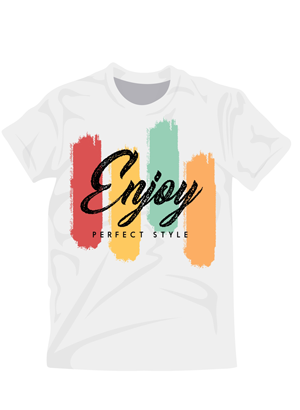

Custom t-shirts have become one of the most popular ways for individuals and businesses to express identity, promote a cause, or simply wear something unique. Whether you are starting a clothing line, making uniforms for your team, or printing t-shirts for an event, the fabric you choose and the printing technique you apply will directly impact the final look, comfort, and durability of your shirts.
In this blog, we’ll explore the best fabrics for custom t-shirts and the most widely used printing techniques, along with their pros and cons. By the end, you’ll know how to choose the right combination for your needs and budget.
Why Fabric and Printing Choice Matters
When it comes to custom t-shirts, two factors matter most: comfort and quality of design output.
- The right fabric ensures that the t-shirt feels good to wear, lasts longer, and drapes well on the body.
- The right printing technique ensures the design looks sharp, resists fading, and matches the intended style (vibrant, subtle, textured, etc.).
For businesses, poor fabric or printing quality can also harm brand reputation. For personal use, it could mean shirts that shrink, fade, or lose their appeal after just a few washes.
Best Fabrics for Custom T-Shirts
Not all t-shirt fabrics are the same. Let’s look at the most popular options and their strengths.
1. Cotton
Cotton is the most widely used fabric for t-shirts due to its softness, breathability, and comfort.
- Pros:
- Natural fiber, breathable, and comfortable.
- Easy to print on with almost any technique.
- Durable and widely available.
- Cons:
- Pure cotton tends to shrink if not pre-shrunk.
- Colors may fade faster compared to blends.
Best for: Casual wear, event t-shirts, promotional merchandise.
2. Combed Cotton
A higher-quality version of cotton, combed cotton is softer and stronger because the short fibers are removed during processing.
- Pros:
- Luxurious feel and smooth surface.
- Prints look sharper and last longer.
- Cons:
- Slightly more expensive than regular cotton.
Best for: Premium custom t-shirts, fashion brands.
3. Organic Cotton
Made without synthetic chemicals, organic cotton is eco-friendly and sustainable.
- Pros:
- Environmentally friendly.
- Softer than conventional cotton.
- Good for people with sensitive skin.
- Cons:
- More expensive.
- Availability may be limited.
Best for: Eco-conscious brands, sustainable fashion, NGOs.
4. Polyester
Polyester is a synthetic fabric known for its durability, wrinkle resistance, and moisture-wicking properties.
- Pros:
- Strong and long-lasting.
- Dries quickly and doesn’t shrink.
- Excellent for athletic and sportswear.
- Cons:
- Less breathable than cotton.
- Can feel less natural on the skin.
Best for: Sports t-shirts, performance wear, uniforms.
5. Blends (Cotton-Polyester, Tri-Blends)
Blended fabrics combine the benefits of cotton, polyester, and sometimes rayon.
- Cotton-Polyester Blends (50/50 or 60/40):
- Balance of softness, breathability, and durability.
- Less shrinkage compared to pure cotton.
- Tri-Blends (Cotton, Polyester, Rayon):
- Extremely soft, lightweight, and stylish drape.
- Popular in premium t-shirts and fashion brands.
Best for: Everyday wear, trendy apparel, branded merchandise.
6. Specialty Fabrics (Bamboo, Hemp, etc.)
Bamboo and hemp fabrics are gaining popularity for their eco-friendly properties and unique feel.
- Pros:
- Sustainable and biodegradable.
- Naturally antibacterial and moisture-wicking.
- Cons:
- Higher cost.
- Less availability.
Best for: Niche fashion brands, sustainable collections.
Printing Techniques for Custom T-Shirts
Once you’ve selected the right fabric, the next step is choosing the right printing method. Each printing technique comes with its own advantages, costs, and limitations.
1. Screen Printing
Screen printing involves pressing ink through a mesh stencil onto the fabric.
- Pros:
- Durable and vibrant colors.
- Cost-effective for bulk printing.
- Works well on cotton and blends.
- Cons:
- Not ideal for complex or multi-color designs in small quantities.
- Set-up costs are higher.
Best for: Bulk orders, promotional t-shirts, simple logos.
2. Direct-to-Garment (DTG) Printing
DTG works like an inkjet printer but directly prints on fabric.
- Pros:
- Great for complex, multi-color, or photo-realistic designs.
- No set-up cost, suitable for small orders.
- Works best on 100% cotton.
- Cons:
- Slower for bulk production.
- Colors may not be as vibrant on dark fabrics without pretreatment.
Best for: Small runs, detailed designs, custom one-off shirts.
3. Heat Transfer Printing
Heat transfer uses heat and pressure to transfer designs from paper or vinyl onto fabric.
- Pros:
- Allows detailed and colorful designs.
- Works on a wide range of fabrics.
- Easy for small quantities.
- Cons:
- Prints may crack or peel over time.
- Not as breathable as screen printing.
Best for: Custom t-shirts in small batches, sports names/numbers.
4. Sublimation Printing
Sublimation is a heat-transfer process where ink becomes gas and bonds with polyester fibers.
- Pros:
- Vibrant, full-color prints.
- Design doesn’t peel or crack (becomes part of the fabric).
- Lightweight feel, as there’s no extra layer of ink.
- Cons:
- Works only on polyester or poly-blends.
- Not ideal for cotton.
Best for: Sportswear, all-over prints, polyester t-shirts.
5. Vinyl Cutting and Heat Press
In this method, designs are cut from colored vinyl and heat-pressed onto the fabric.
- Pros:
- Durable and vibrant.
- Great for lettering and numbers (sports jerseys).
- Cons:
- Limited to simple designs.
- Not breathable, heavier feel.
Best for: Sports jerseys, uniforms, minimal designs.
6. Embroidery (Bonus Option)
Although not technically a printing method, embroidery adds a stitched design to the t-shirt.
- Pros:
- Premium and professional look.
- Long-lasting and durable.
- Cons:
- More expensive than printing.
- Works best for small logos, not large designs.
Best for: Corporate t-shirts, premium branding.
How to Choose the Right Fabric and Printing Combo
Here’s a quick guide:
- Event T-Shirts / Giveaways: Cotton or Cotton-Poly Blends + Screen Printing.
- Fashion / Premium Wear: Combed Cotton or Tri-Blends + DTG or Screen Printing.
- Sportswear / Gym Wear: Polyester + Sublimation Printing.
- Corporate Branding: Cotton Blends + Embroidery or Screen Printing.
- Eco-Friendly Brands: Organic Cotton / Bamboo + DTG.
Final Thoughts
Choosing the best fabric and printing technique for custom t-shirts depends on your goals, budget, and target audience. If comfort and affordability are key, cotton or blends with screen printing work best. If you want bold designs or premium looks, tri-blends with DTG printing are ideal. For sports and performance wear, polyester with sublimation is unbeatable.
The right combination ensures your t-shirts not only look great but also last long and deliver maximum value. Whether you’re printing for business, fashion, or fun, investing in good-quality fabric and the right printing technique will always pay off.